Use Maryland CHART before travel
Maryland’s official traveler-information service publishes incidents, construction, closures, cameras, and weather-related conditions. Recheck it near departure rather than relying on an old travel-time estimate.
Baltimore-Washington group transportation
A Baltimore–DC charter needs exact pickup and destination curbs, event timing, passenger and baggage counts, and the return itinerary. I-95 and the Baltimore-Washington Parkway are not interchangeable for every commercial vehicle or stop, so the provider must choose the legal route. Use Maryland’s live traveler information and avoid guaranteeing a fixed trip duration.
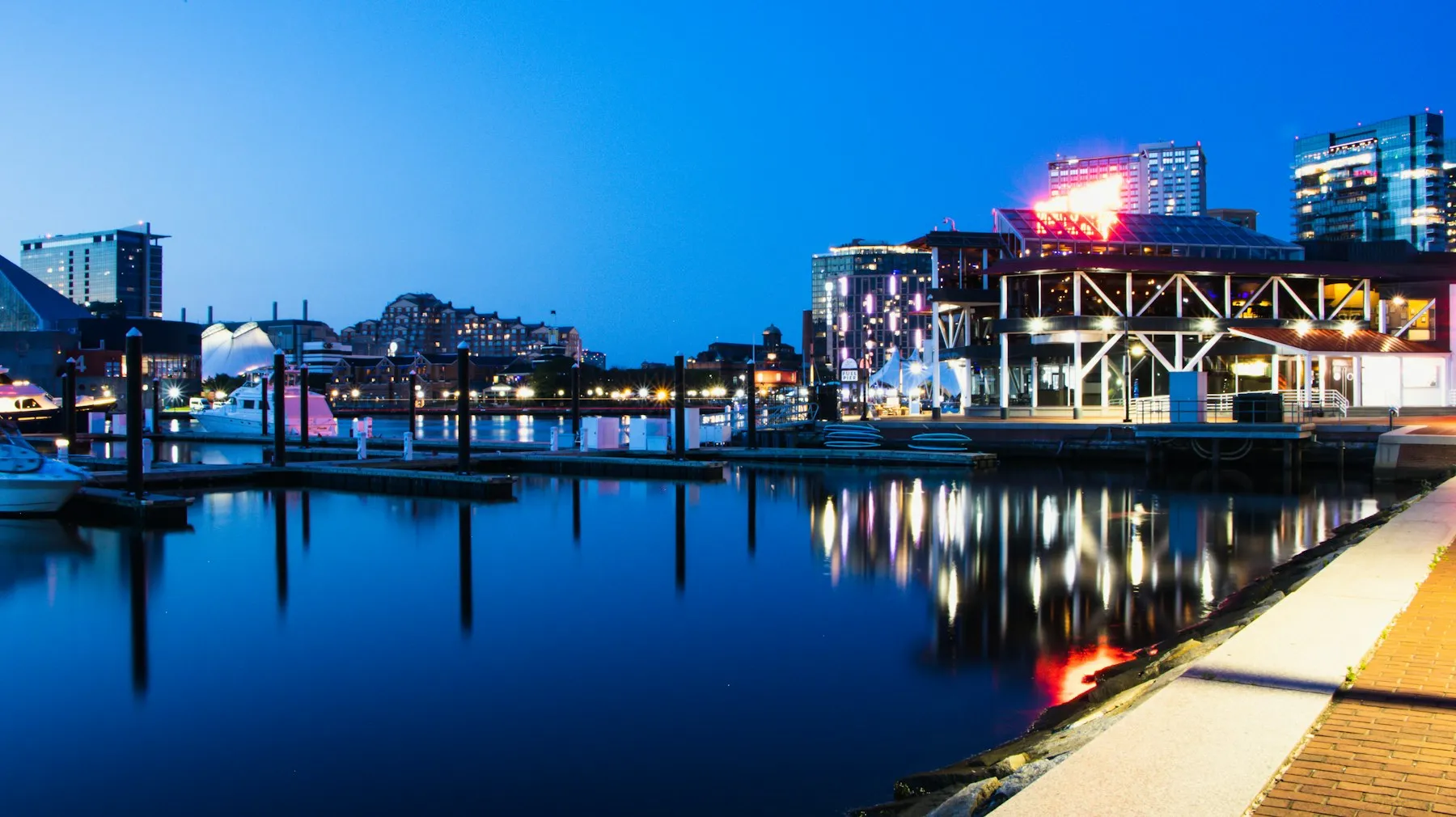
Current road conditions, commercial-vehicle rules, DC curb controls, and the carrier’s safety judgment determine the operating plan.
Maryland’s official traveler-information service publishes incidents, construction, closures, cameras, and weather-related conditions. Recheck it near departure rather than relying on an old travel-time estimate.
The practical route depends on the origin, destination, vehicle, restrictions, incidents, and closures. Do not require a parkway or highway based solely on a passenger-car map.
DDOT publishes tour-bus parking resources and enforces bus-lane and bus-zone rules. A public transit stop or active red bus lane is not a charter pickup location.
Work backward from check-in or doors-open time and include loading, traffic contingency, walking, and security screening.
Give the provider the full address, side of street, requested departure, property contact, passenger count, and baggage. A hotel canopy or school drive may have vehicle-size limits.
Use the building or venue entrance and quadrant. Federal campuses, museums, the National Mall, hotels, and stadiums each require different loading and security planning.
If the group visits a second museum, restaurant, office, or memorial zone, place it in the original itinerary. Unplanned curb requests can be illegal or operationally impossible.
Choose one provider-approved loading point, share it before the event, name the group lead, and set a final departure policy plus the ordered Baltimore drop-offs.
Select capacity after accessibility, storage, and local DC movements are known.
Use one manifest and one group lead for each coach. Confirm the DC loading and parking plan for the assigned vehicle before the schedule is published.
A smaller footprint can simplify a passenger wave, but it does not create permission to stand, park, or load at an unapproved curb.
Coordinate its loading point with the main shuttle operation so small vehicles do not obstruct coach movements.
These source-linked notes are for planning. On the travel date, follow current agency, airport, property, venue, and American Charterlines instructions.
There is no dependable fixed duration. Loading, current road conditions, route restrictions, DC traffic, and destination access all matter. Use a provider-reviewed arrival buffer.
Yes, with a detailed itinerary using designated loading and parking. Group nearby memorials into walking zones and have the provider approve each coach movement.
Do not assume so. Many curbs allow only active loading, and bus lanes or public bus zones are restricted. Arrange legal parking or off-site staging in advance.
Price depends on the vehicle, curbs, service hours, local stops, parking, staging, tolls, event demand, and return plan. Submit the full itinerary for an instant personalized quote.
These are the government, airport, transportation authority, venue, and provider pages used for the guide. Check the linked page for the latest operating details.
Share the date, passengers, every stop, timing, luggage, accessibility needs, and essential vehicle features.