I-94 work affects the corridor
WisDOT maintains active I-94 project information in Milwaukee County, while Illinois provides Gateway traveler information. Review both rather than relying on an old route estimate.
Illinois–Wisconsin group transportation
A Chicago–Milwaukee charter should list every Chicago pickup, the exact Milwaukee venue or property entrance, passenger and luggage counts, planned rest stops, and the full return. The provider evaluates I-94 conditions in both states, downtown Milwaukee access, event restrictions, parking or temporary curb permits, and a compliant driver schedule. Construction and weather make a fixed travel-time promise inappropriate.
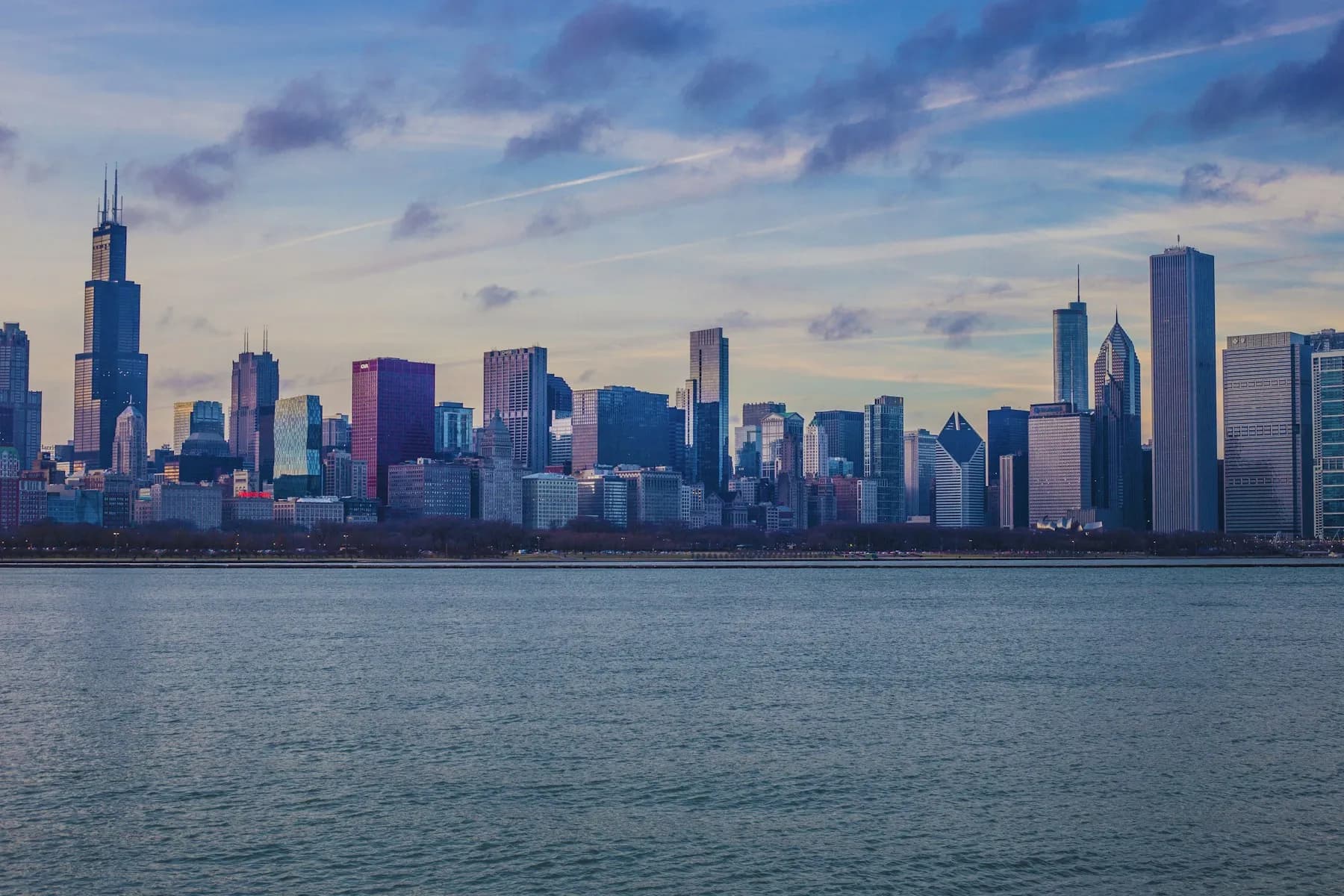
Use both states’ traveler information and current Milwaukee event guidance. Road and curb conditions can change close to departure.
WisDOT maintains active I-94 project information in Milwaukee County, while Illinois provides Gateway traveler information. Review both rather than relying on an old route estimate.
Milwaukee’s Department of Public Works offers a special-event parking permit process for temporary curb occupancy, including shuttle-bus parking. The event or property should determine whether a permit is needed.
Snow, ice, wind, and crash response can change the corridor. The carrier controls the go/no-go and routing decision; maintain a group communication and contingency plan.
The useful itinerary begins before the interstate and ends after every passenger is returned—not at the city limits.
List each hotel, neighborhood, campus, or office with its legal coach loading point. Compare one assembly hub with multiple pickups after accounting for curb time and cross-city travel.
Provide the venue, building, door, side of block, appointment, and onsite contact. For a conference or game, obtain current event transportation instructions.
Separate passengers from luggage, coolers, instruments, mobility devices, sports gear, or exhibitor materials. Include any planned rest or meal stop rather than asking the driver to improvise.
State whether the coach parks, stages, runs local transfers, or leaves and returns. List the final Chicago drop-offs and let the provider confirm a legal service window.
Comfort, storage, and accessibility matter more on an intercity service than a short local shuttle.
Confirm underfloor storage, restroom request, Milwaukee coach access, and the provider-approved driver schedule.
Verify luggage space and restroom plans before finalizing an extended service day.
Ask for the actual seating and storage layout and include all Chicago and Milwaukee stops.
These source-linked notes are for planning. On the travel date, follow current agency, airport, property, venue, and American Charterlines instructions.
Yes, subject to vehicle and driver availability. Provide the complete outbound, local, and return itinerary so the provider can confirm a compliant schedule and price.
Do not assume it may wait at the passenger curb. Ask the venue and provider for an approved staging or parking location; temporary curb occupancy for a special event may require city coordination or a permit.
Monitor Illinois and Wisconsin travel information, keep one group lead available, and agree on a decision and notification plan. Current conditions and the carrier’s safety judgment control.
Price depends on date, Chicago origins, Milwaukee stops, vehicle, service hours or mileage, parking, permits, tolls, luggage, and whether the trip is one-way, same-day, or overnight. Submit the full itinerary for an instant personalized quote.
These are the government, airport, transportation authority, venue, and provider pages used for the guide. Check the linked page for the latest operating details.
Share the date, passengers, every stop, timing, luggage, accessibility needs, and essential vehicle features.