Documented location
Philadelphia origins to New York City destinations is the destination record. Use exact Philadelphia and New York addresses plus a legal coach loading point at each end.
Northeast Corridor group transportation
The road itinerary generally uses I-95 and the New Jersey Turnpike before a Hudson River crossing selected for the actual NYC destination. Use exact Philadelphia and New York addresses plus a legal coach loading point at each end. Manhattan drop-off does not include parking, and toll, traffic, and driver-hour planning must cover the empty staging movement and return. A carrier can plan this only after it receives the complete stop list, load inventory, requested accessible features, and the mobile number controlling the Philadelphia to New York City release. List timed tickets, meal stops, local transfers, and the firm return-departure time instead of quoting only the line-haul trip.
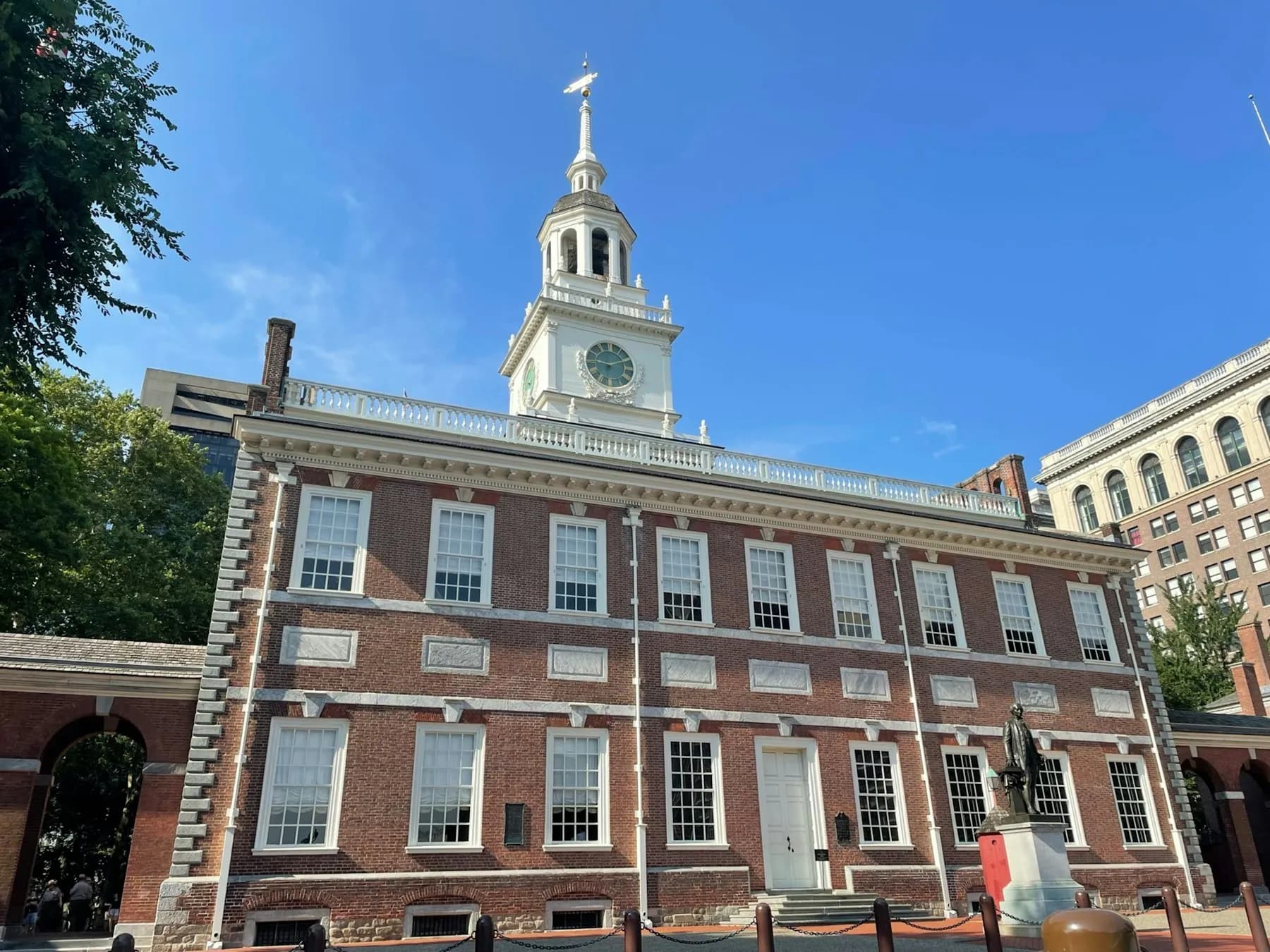
The road itinerary generally uses I-95 and the New Jersey Turnpike before a Hudson River crossing selected for the actual NYC destination. The Philadelphia to New York City bus plan should distinguish what is publicly documented from what the carrier still must confirm.
Philadelphia origins to New York City destinations is the destination record. Use exact Philadelphia and New York addresses plus a legal coach loading point at each end.
Manhattan drop-off does not include parking, and toll, traffic, and driver-hour planning must cover the empty staging movement and return. Before accepting a fixed Philadelphia to New York City curb or parking assumption, the carrier must resolve that issue.
List timed tickets, meal stops, local transfers, and the firm return-departure time instead of quoting only the line-haul trip. The organizer owns the roster, internal meeting place, and communication with the Philadelphia to New York City passenger group.
For Northeast Corridor group transportation, the useful sequence is passenger assembly, confirmed access, vehicle release, and recovery. Philadelphia origins to New York City destinations alone supplies only one of those details.
Use exact Philadelphia and New York addresses plus a legal coach loading point at each end. Before calling the Philadelphia to New York City vehicle, tell the trip lead exactly what must be complete—bags collected, tickets scanned, or riders counted.
List timed tickets, meal stops, local transfers, and the firm return-departure time instead of quoting only the line-haul trip. Work backward from that milestone to set each hotel, campus, airport, or origin pickup feeding Philadelphia to New York City.
For Northeast Corridor group transportation, note mobility devices and every category of luggage or equipment. The Philadelphia to New York City bus must fit the load without using aisles or required clearances.
Manhattan drop-off does not include parking, and toll, traffic, and driver-hour planning must cover the empty staging movement and return. Pair the holding decision with I-95, New Jersey Turnpike, a Port Authority crossing, and NYC truck routes so deadhead and recall time are visible in the schedule.
The road itinerary generally uses I-95 and the New Jersey Turnpike before a Hudson River crossing selected for the actual NYC destination. At Philadelphia to New York City, that local setting affects maneuvering and waiting as much as the seat count does.
Manhattan drop-off does not include parking, and toll, traffic, and driver-hour planning must cover the empty staging movement and return. For Philadelphia to New York City, verify where the large vehicle goes after completing the handoff.
Use exact Philadelphia and New York addresses plus a legal coach loading point at each end. For Philadelphia to New York City, confirm usable baggage room after the exact seating configuration is assigned.
List timed tickets, meal stops, local transfers, and the firm return-departure time instead of quoting only the line-haul trip. Use a van for a distinct Philadelphia to New York City wave, not as an unplanned substitute for missing coach capacity.
These source-linked notes are for planning. On the travel date, follow current agency, airport, property, venue, and American Charterlines instructions.
Use exact Philadelphia and New York addresses plus a legal coach loading point at each end.
List timed tickets, meal stops, local transfers, and the firm return-departure time instead of quoting only the line-haul trip. They also need the named meeting point and one contact for the Philadelphia to New York City party.
Amtrak provides scheduled rail service between Philadelphia 30th Street Station and New York Penn Station. For Philadelphia to New York City, it is useful only for travelers whose timing, walking, luggage, and accessibility needs fit it.
I-95, New Jersey Turnpike, a Port Authority crossing, and NYC truck routes. The carrier then applies current restrictions and the Philadelphia to New York City operating rule: Manhattan drop-off does not include parking, and toll, traffic, and driver-hour planning must cover the empty staging movement and return.
These are the government, airport, transportation authority, venue, and provider pages used for the guide. Check the linked page for the latest operating details.
Share the date, passengers, every stop, timing, luggage, accessibility needs, and essential vehicle features.