Load only in designated zones
NPS restricts bus loading and unloading to signed zones and prohibits use of concession bus stops. Keep the group together so active loading finishes within the posted window.
Washington, DC sightseeing transportation
A National Mall coach itinerary should divide the day into specific memorial and museum zones, use signed loading areas, and separate short-term unloading from metered bus parking. The National Park Service identifies bus parking primarily along signed portions of Ohio Drive SW and additional locations near Independence Avenue, while loading is limited to designated zones. Recheck closures and event restrictions before every trip.
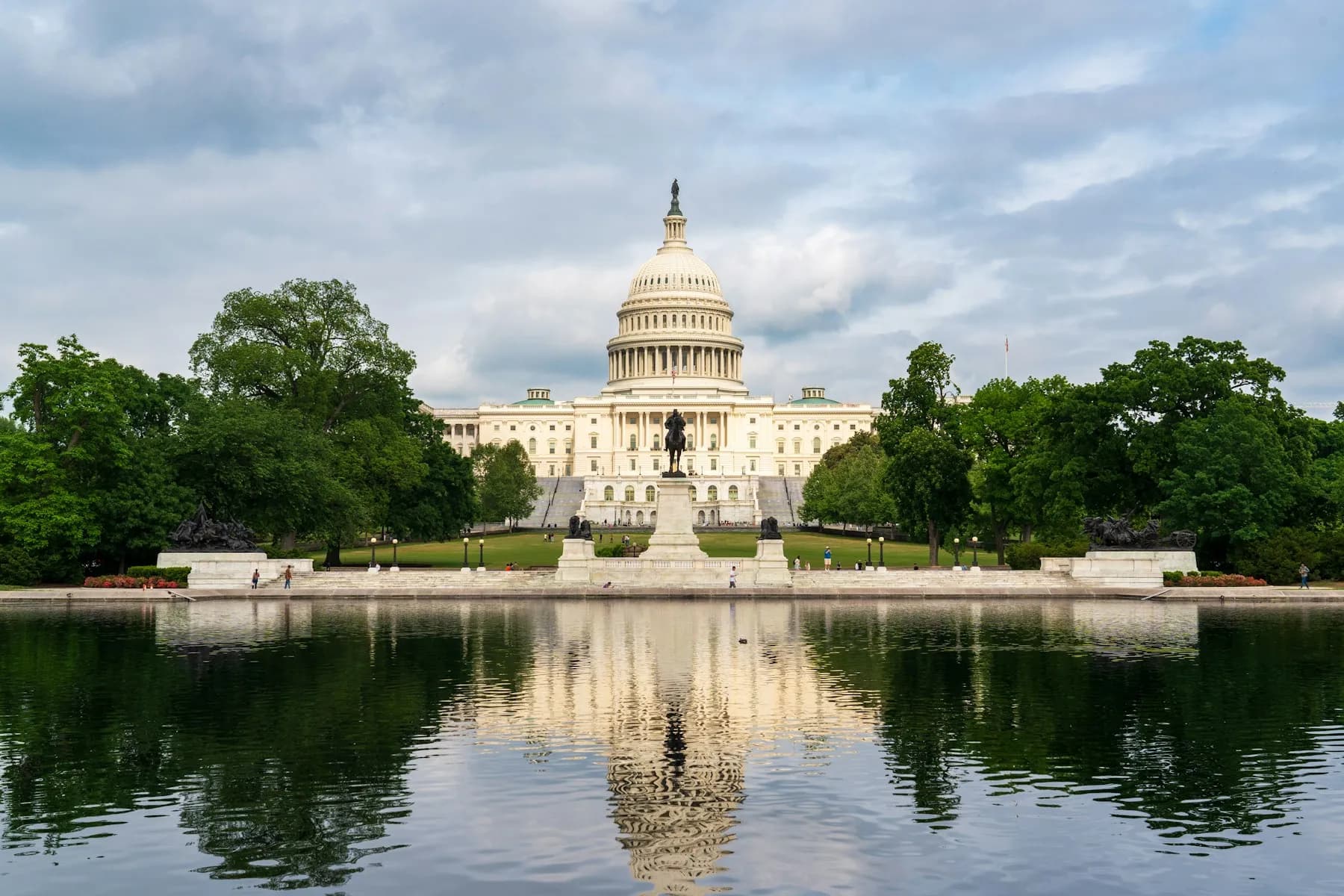
The Mall is too large for “drop us near the monuments” to be useful. Group nearby sites and give the provider a planned sequence.
Organize memorials and museums into clusters that the group can walk between. Identify where the coach actively unloads, where it stages, and where it returns for each cluster.
List museum, Capitol-area, White House-area, and tour reservations with check-in requirements. Work backward for unloading, security screening, walking, and group assembly.
Collect lift, securement, walking-distance, and rest needs before finalizing stops. Accessible passenger spaces do not guarantee that a full-size coach may stand at the closest curb.
Demonstrations, ceremonies, races, construction, and security activity can change access. Give the tour leader authority to skip or reorder a stop with the provider’s approval.
National Park Service rules, DDOT restrictions, law-enforcement direction, and posted signs control the actual movement.
NPS restricts bus loading and unloading to signed zones and prohibits use of concession bus stops. Keep the group together so active loading finishes within the posted window.
NPS identifies bus parking along portions of Ohio Drive SW and additional designated areas. Parking is metered where posted, time-limited, and separate from passenger loading.
The park compendium limits idling and prohibits buses from standing in unauthorized areas. Use a legal parking/staging plan and a dispatcher call-forward procedure.
The right vehicle balances seats, accessibility, storage, and the number of separate passenger waves.
Use one manifest and one group lead for each coach. Confirm lift availability, securement positions, and the walking plan for every stop.
A smaller footprint can simplify a passenger wave, but it does not create permission to stand, park, or load at an unapproved curb.
Coordinate its loading point with the main shuttle operation so small vehicles do not obstruct coach movements.
These source-linked notes are for planning. On the travel date, follow current agency, airport, property, venue, and American Charterlines instructions.
NPS identifies signed bus parking primarily along Ohio Drive SW, with additional designated locations near Independence Avenue. Availability, meter rules, and closures change, so the carrier must check current signs.
No such blanket promise is safe. Loading is limited to designated zones, and closures or security activity may change access. Cluster sites into walkable zones and let the provider approve each stop.
Use one manifest, chaperone assignments, clustered walking zones, timed-entry details, a designated loading point for each wave, and a backup plan for closures or delayed students.
NPS identifies accessible parking near major sites, but a coach’s legal loading location may differ. Share mobility needs early and coordinate the walking and boarding plan with the provider and destination.
These are the government, airport, transportation authority, venue, and provider pages used for the guide. Check the linked page for the latest operating details.
Share the date, passengers, every stop, timing, luggage, accessibility needs, and essential vehicle features.